
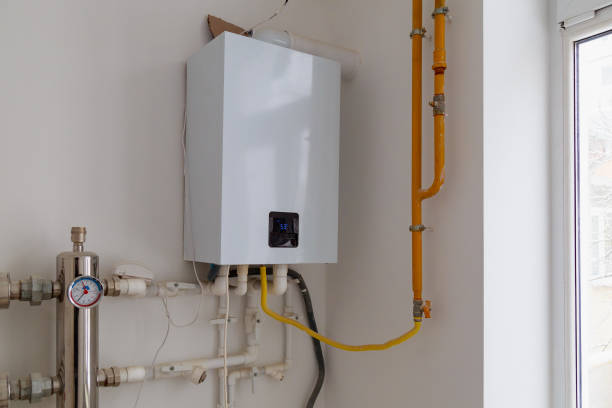
Hot Water System Installation Guide: What Melbourne Homeowners Need to Know
Running out of hot water is never a good thing, especially if you’re having a busy day. Whether you’re getting into the shower to get ready for work or loading dishes into the washer after dinner, losing hot water can be very stressful.
Homeowners don’t often realise how complicated hot water system installation in Melbourne can be. It involves more than just changing a tank. Installation affects safety, energy bills, compliance, and the system’s actual lifespan. Done properly, it runs quietly in the background for years. Done poorly, it causes leaks, high bills, or worse.
This guide covers everything from the types of hot water systems to installation steps, costs, Victorian regulations, rebates, and how to choose the right solution for your Melbourne home.
Why Proper Hot Water System Installation Matters
A hot water system isn’t just another appliance. It’s pressurised, connected to plumbing and either electricity or gas, and regulated under strict safety standards. Poor installation can lead to water damage, pressure valve failures, gas leaks, electrical issues, and inefficient operation. Sometimes the system works well enough, but it costs more to run than it should.
Melbourne adds its own considerations. Cold winters mean systems work harder. Energy prices in Victoria fluctuate. And regulations clearly state that only licensed professionals may handle installation. Professional hot water installation becomes the wise choice to prevent any problems in the future.
Types of Hot Water Systems Available in Melbourne
Not all systems suit every home. In fact, choosing the wrong one is one of the most common mistakes.
1. Electric Hot Water Systems
Electric systems are straightforward and often the most affordable upfront. They’re typically easier to install if you’re replacing an existing electric unit.
They suit smaller households or properties without access to gas. However, running costs in Victoria can be higher compared to gas or heat pump options, especially if the system runs during peak electricity periods.
Installation is usually less complex, but electrical capacity must be checked first.
2. Gas Hot Water Systems
Gas systems heat water faster and often cost less to run in the long term. You’ll need access to natural gas or LPG. Ventilation and flue requirements are critical. Gas systems involve more installation complexity, particularly with safety clearances and compliance.
Some homeowners prefer gas for performance. Others hesitate due to installation upgrades. It really depends on your property setup.
3. Solar Hot Water Systems
Solar systems significantly reduce long-term energy costs, though the upfront investment is higher. They require adequate roof space and orientation. Most systems include a gas or electric booster for cloudy days, because Melbourne weather can be unpredictable.
They make sense environmentally and financially over time. Still, not every roof layout works well.
4. Heat Pump Hot Water Systems
Heat pumps are becoming increasingly popular. They work like a reverse-cycle air conditioner, extracting heat from the surrounding air to warm water. They’re highly energy-efficient and eligible for generous heat pump hot water rebate Melbourne programs under Victorian initiatives.
They do make some operational noise. And placement matters. But in terms of efficiency and long-term savings, they’re hard to ignore.
5. Instant / Tankless Hot Water Systems
Instant systems heat water only when needed. No storage tank. No waiting. They’re compact and ideal for homes with limited space. However, they require an adequate gas supply or high electrical capacity.
For large households with simultaneous bathroom use, sizing becomes crucial. Smaller households often love them.
How to Choose the Right Hot Water System for Your Home
Choosing a system isn’t just about price. Household size matters. So does daily water usage. A family of five will need something very different from a two-person apartment.
Energy efficiency ratings influence long-term costs. The installation location, whether indoor, outdoor, or wall-mounted, can limit options.
Then there’s the hot water installation cost to consider. Some homeowners with a tight budget prioritise a lower upfront cost. Others look at savings earned over a 10–15 year period.
There isn’t one “best” system. Only what fits your property and lifestyle.
Hot Water System Installation Process (Step-by-Step)
Understanding the hot water system installation process helps avoid surprises.
Pre-Installation Assessment
A qualified hot water system installer inspects plumbing connections, electrical supply, gas lines, drainage, and compliance requirements. In Melbourne, adherence to Victorian Building Authority (VBA) standards is essential. Skipping this step can lead to costly rework.
Removal of Old Hot Water System
The old unit must be safely disconnected from water, gas, or electricity. Drainage and proper disposal are required under Victorian guidelines. Some materials require specific handling. It’s not just “disconnect and remove.” There’s a process involved.
Installing the New System
This is where precision matters.
- Plumbing connections must be correctly sealed.
- Electrical or gas lines must meet safety codes.
- Pressure and temperature relief valves must be installed correctly.
Professional hot water installation ensures each component aligns with Australian Standards (AS/NZS).
Testing & Safety Checks
After installation, the system undergoes pressure testing. Compliance certification is issued. Without this certificate, warranty and insurance claims may become complicated later.
Hot Water System Installation Costs in Melbourne
The costs for hot water system installation in Melbourne vary significantly.
Average Installed Costs
- Electric: $1,200 – $3,000
- Gas: $1,800 – $4,500
- Solar: $3,500 – $7,000+
- Heat Pump: $3,000 – $5,500
These figures include supply and professional installation. This is an estimate only, and the exact price depends on site conditions.
Factors That Affect Installation Cost
System type & size
Larger systems require more materials, labour, and sometimes structural adjustments. Premium systems, such as solar panels or heat pumps, also include higher equipment costs.
Access & complexity
Tight spaces, roof installations, or difficult plumbing access increase labour time and may require specialised equipment or additional technicians.
Electrical/gas upgrades
Switching system types often means upgrading switchboards, gas lines, or meters, which can significantly increase the overall hot water installation cost.
Council or compliance requirements
Certain properties may require additional inspections, permits, or specific compliance upgrades to meet local Victorian regulations.
Victorian Regulations & Compliance Requirements
Understanding hot water system regulations in Victoria is essential before installation begins.
Licensed plumber requirement
In Victoria, only a licensed or registered plumber can legally install or replace a hot water system. DIY installation is not permitted.
VBA compliance certificates
After installation, the plumber must issue a Victorian Building Authority (VBA) compliance certificate confirming the work meets legal and safety standards.
Safety standards (AS/NZS)
All installations must comply with relevant Australian Standards (AS/NZS), covering plumbing, gas fitting, electrical safety, and pressure control systems.
Energy efficiency regulations
Victoria enforces minimum energy performance requirements for certain systems to reduce household energy consumption and environmental impact.
Rebates & Government Incentives in Melbourne
Several programs help reduce upgrade costs, particularly for energy-efficient systems.
Victorian Energy Upgrades (VEU)
The VEU program offers hot water rebates in Victoria that residents can access when replacing inefficient systems with approved energy-saving models.
Solar & heat pump rebates
Eligible homeowners may receive substantial support through solar programs and the heat pump hot water rebate Melbourne initiative.
Eligibility criteria
Eligibility depends on the property type, the existing system, installer accreditation, and whether the new unit meets approved energy-efficiency standards.
How rebates reduce upfront costs
Rebates are typically applied at the point of sale, lowering the initial installation price and making higher-efficiency systems more affordable.
Common Hot Water Installation Mistakes to Avoid
Incorrect system sizing
Choosing a system that is too small leads to constant shortages, while oversized units waste energy and unnecessarily increase running costs.
DIY installation risks
Unlicensed installation can void warranties, breach regulations, and create serious safety hazards involving gas, electricity, or water pressure.
Ignoring future household needs
Failing to account for growing families or renovations often results in costly upgrades sooner than expected.
Choosing price over quality
The lowest quote may exclude compliance, quality components, or experienced labour, leading to higher long-term expenses.
When to Replace vs Repair Your Hot Water System
Most systems last 8 to 12 years. If you notice rising energy bills, rusty water, leaks, or frequent breakdowns, replacement might be more economical than repair.
A repair can extend life temporarily. But if failures are recurring, replacement often provides better long-term value. It’s not always obvious. A professional assessment helps.
Why Hire a Licensed Hot Water Plumber in Melbourne
A licensed professional ensures:
- Safety and regulatory compliance
- Warranty protection
- Faster, efficient installation
- Long-term reliability
A qualified hot water system installer understands local codes, rebate eligibility, and system compatibility. Professional hot water installation isn’t just about fitting pipes. It’s about accountability.
Getting the Right Hot Water System Installed in Melbourne
Hot water systems are easy to overlook until they fail. Choosing the right system, understanding installation requirements, factoring in rebates, and ensuring compliance all make a difference.
Melbourne homes vary widely in layout, energy access, and household size. The right approach isn’t one-size-fits-all. It requires assessment, planning, and licensed expertise.
If you’re planning to install hot water heater equipment or replace an ageing system, taking the time to do it properly pays off, sometimes literally.
Contact NK Air for Professional Hot Water Installation
If you’re considering a new system or replacing an existing unit, speak with NK Air’s licensed specialists. We provide clear advice, transparent pricing, and tailored recommendations for your home.
Call us at 0425 671 666 to schedule a professional installation today.
Frequently Asked Questions
How long does hot water system installation take?
Most standard replacements take 2 to 4 hours. More complex installations, such as gas conversions or heat pump upgrades, may require additional time for electrical or plumbing modifications.
Can I replace electric with gas or heat pump?
Yes, but it depends on gas availability, electrical capacity, and installation space. Upgrades may increase installation costs due to additional connections.
Do I need council approval in Melbourne?
Generally, council approval isn’t required for standard replacements. However, VBA compliance certificates from a licensed plumber are mandatory under Victorian regulations.
What size hot water system do I need?
Sizing depends on household occupancy and usage patterns. A professional hot water system installer can assess demand to avoid under- or over-sizing.
Are heat pump systems worth it in Melbourne?
For many households, yes. They’re highly efficient and eligible for a heat pump hot water rebate, reducing upfront costs and ongoing energy consumption.
No Comments