
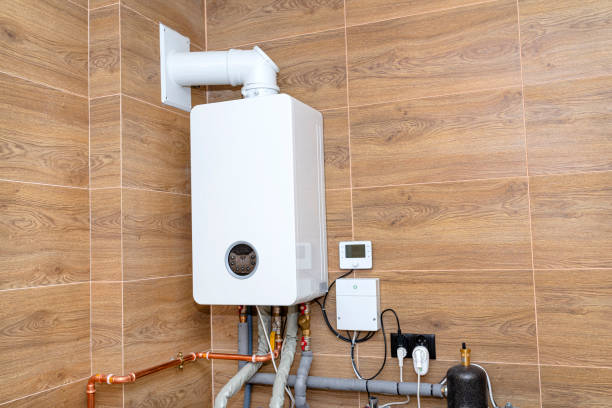
Winter Hot Water Woes? How to Prevent System Failures This Melbourne Winter
Everything feels better when you are getting hot water flowing from the shower on a cold Melbourne winter morning. The problem starts when your hot water system suddenly stops working. There are multiple households who experience the system failure at the worst possible time. Most of the issues can be easily prevented with regular maintenance and proactive planning.
If you enter the colder months of the year without properly checking the hot water system and a solid maintenance plan, you are taking a real risk. These issues pop up in the winter season because winter conditions put additional pressure on systems. They are likely to break down when they are being neglected for so long and haven’t been maintained. In this blog post, you will learn to reduce the chances of problems and keep your hot water running throughout winter.
Why Winter Is the Enemy of Your Hot Water System
Melbourne winters might seem mild compared to other parts of Australia, but don’t be fooled. Winter heating issues hit hot water systems hard for several reasons.
There’s the increased demand factor. During winter, people use more hot water than at any other time of year. We’re talking longer showers, more frequent baths, increased laundry loads, and constant tap water heating for dishwashing and cleaning. This sustained demand puts constant pressure on your system, causing components to work overtime without relief.
Cold ambient temperatures make it harder for your hot water system to operate efficiently. If you’ve got a gas hot water system, it needs to work harder to heat water when the incoming temperature is close to freezing. Electric systems face similar challenges. Heat pump systems, common in Melbourne homes, struggle when outdoor temperatures drop significantly.
Water pipes are more at risk during the winter season. Freezing temperatures can make them shrink, crack, or freeze in extreme low temperatures. When these issues occur, your hot water system will not work properly and you might face costly repairs at the end of the day.
You should understand that older or poorly maintained hot water systems can wear out quickly in the winter season. Dirt and sediment can build up inside, parts may rust, and valves can become worn over time. When there is extreme pressure on your system during cold weather, these weakened points cause a complete system failure.
Common Winter Hot Water Problems in Melbourne Homes
It is essential to understand the specific issues your system might face. It helps you identify problems early and prevent frequent catastrophic failures.
Insufficient Hot Water Supply: It is the common winter complaint that your hot water system worked fine in summer, but in June, you’re running out of hot water through your shower. This indicates your system’s capacity is being reduced due to increased demand, or that it’s struggling with efficiency due to maintenance issues.
Fluctuating Water Temperatures: Nothing’s more annoying than a shower that alternates between scalding and freezing. Temperature fluctuations suggest thermostat problems, faulty mixing valves, or sediment accumulation inside your tank affecting heat distribution. Winter amplifies these issues because the system is constantly working.
Strange Noises: If your hot water system is popping, banging, or rumbling loudly during winter, that’s a red flag. These sounds indicate sediment buildup inside the tank. As sediment heats and cools, it creates noise and reduces heating efficiency. Ignoring these sounds is a recipe for complete system failure.
Leaks and Drips: Winter temperature fluctuations cause metal components to expand and contract repeatedly. This stress can open up tiny leaks that gradually worsen. A small drip might seem minor, but it represents wasted water and energy, and it’s a warning sign that a larger failure is imminent.
Pilot Light Going Out: A pilot light in a gas hot water system that keeps going out is frustrating and unsafe. Strong winter winds can blow the lights, but if it happens consistently, there may be a problem with thermocouple or the gas supply.
No Hot Water at All: The complete system failure doesn’t happen overnight. There are various warning signs that are neglected and ignored. Warning signs include, reduce water temperature, strange noise, and leaks. It doesn’t come to your notice for weeks or months until one day you are left with no hot water supply from the system.
Hot Water System Maintenance in Melbourne: Your Winter Defence Strategy
The key to avoiding winter hot water disasters is preventive maintenance hot water practices. Think of it as winter preparation for your home, you wouldn’t head into winter without checking your heating system, and your hot water system deserves equal attention.
Schedule Professional Hot Water Servicing Before Winter
Get a licensed plumber or hot water specialist to service your system in March or April, well before winter hits. Professional hot water servicing includes thorough inspection, safety checks, and essential maintenance work. Don’t wait till May when every plumber in Melbourne is booked because everyone’s systems are failing.
During servicing, your technician will inspect the thermostat, check pressure relief valves, examine the anode rod (which prevents tank corrosion), test gas components if applicable, and check for leaks and corrosion. They’ll also drain sediment from the tank, which is crucial for maintaining efficiency.
Drain Your Tank Regularly
Sediment accumulation is the primary culprit behind winter hot water failures. Every time your water heats, minerals precipitate and settle at the bottom of your tank. Over time, this sediment layer thickens, reducing heating efficiency and creating those annoying banging noises.
Have your tank professionally flushed annually, and more frequently if you live in an area with hard water. If you’re comfortable doing basic maintenance, you can drain a small amount of sediment yourself quarterly by opening the drain valve at the base of the tank. Catch the water in a bucket, it’ll contain sediment and mineral deposits.
Check Your Anode Rod
Your water heater’s anode rod is a sacrificial metal rod designed to corrode instead of your tank. It’s literally giving its life to protect your system. Once the anode rod is consumed, your tank corrodes and fails. Melbourne plumbers recommend checking and replacing anode rods every 2-3 years before winter.
Insulate Your Tank and Pipes
Heat loss through your hot water tank and pipes is substantial in winter. Professional insulation blankets can be added to tanks, and foam pipe insulation is inexpensive and effective. This reduces heat loss by 25-45%, improving efficiency and reducing the load on your system during winter.
Monitor Water Pressure
High water pressure strains your entire hot water system. Excessive pressure causes the pressure relief valve to open, wasting water and energy while increasing wear on internal components. Ask your plumber to check pressure during servicing. Most systems operate between 50-80 PSI.
Test the Pressure Relief Valve
This safety device prevents dangerous pressure buildup. Test it monthly by lifting the lever at the top, you should see water discharge from the drainage pipe. If the valve doesn’t operate smoothly or if water continues leaking after you’ve released it, it needs replacement before winter arrives.
Inspect for Leaks
Walk around your hot water system monthly looking for any signs of leakage, corrosion, or rust. Even tiny leaks represent energy waste and can indicate internal problems. Address any leaks rather than waiting for winter to make them worse.
Adjust Your Thermostat
Most hot water systems are set to 60°C as a factory default, but many people increase this in winter. Be cautious, higher temperatures increase energy consumption and accelerate mineral buildup. Maintain 60°C unless there’s a specific reason to increase it. Your system will run more efficiently, last longer, and your winter heating bills will be lower.
Winter Heating Issues: System-Specific Considerations
Different hot water systems require different winter preparation approaches.
Gas Systems: Have the burner and combustion chamber professionally inspected. Winter condensation can cause issues. Ensure the exhaust vent isn’t blocked by leaves or debris. Check that the pilot light burns blue (yellow indicates problems).
Electric Systems: Inspect the heating element for sediment buildup. Have the thermostat tested to ensure accurate temperature readings. Check the circuit breaker to ensure it hasn’t tripped.
Heat Pump Systems: These struggle more in Melbourne winter cold. Ensure adequate clearance around the unit for airflow. Don’t block the outdoor unit with garden furniture or landscaping. Have the refrigerant level checked by a technician.
Solar Systems: Check that pipes aren’t frozen. Ensure the backup heating system (usually gas or electric) is functioning properly. Verify that the system’s circulation pump is operating.
Creating Your Winter Hot Water Maintenance Schedule
Here’s a practical timeline for Melbourne households:
March-April: Schedule professional hot water servicing. Have the full inspection done before peak winter season arrives.
Monthly (May-September): Visual inspection for leaks, corrosion, or unusual sounds. Test the pressure relief valve. Check surrounding areas for water stains indicating slow leaks.
Quarterly: Drain small amounts of sediment from the tank’s drain valve.
June-July: If you haven’t already, add insulation to the tank and pipes. This is peak winter to maximize efficiency.
August: Mid-winter check-in. If you’ve noticed any issues, address them now rather than waiting until peak winter stress causes failure.
September: Final winter inspection before spring arrives.
The Cost of Preventive Maintenance Versus Failure
Professional hot water servicing costs between $150-$300. Tank flushing might cost $100-$200. Anode rod replacement runs $100-$150. Total annual preventive maintenance: approximately $400-$650 for most Melbourne homes.
Compare that to an emergency hot water system failure in the middle of winter. You’re looking at emergency call-out fees, rapid replacement costs (often 30-50% more than standard installation due to urgency), water damage from leaks, and the sheer inconvenience of being without hot water during cold weather. Complete system replacement can easily cost $3,000-$7,000 depending on your system type and installation complexity.
Conclusion
Winter in Melbourne might not bring the extreme cold of southern states, but it brings enough cold to stress your hot water system significantly. The difference between a system that limps through winter and one that fails catastrophically comes down to whether you invested in preventive maintenance hot water practices before the season arrived.
If your hot water system is more than five years old and you’ve never had professional servicing, this is your warning. Contact a licensed plumber now to schedule winter preparation. If your system is pushing ten years or older, have that conversation about replacement options before it makes the decision for you mid-winter.
Don’t let a cold Melbourne winter catch you without reliable hot water. The experienced team at NK Air is here to keep your system running safely and efficiently all season. From professional servicing to repairs and maintenance, we handle it all with care and expertise. Book your winter hot water check today and avoid unexpected breakdowns. Contact Us NK Air now on 042 567 1666 for prompt, trusted service.
No Comments