
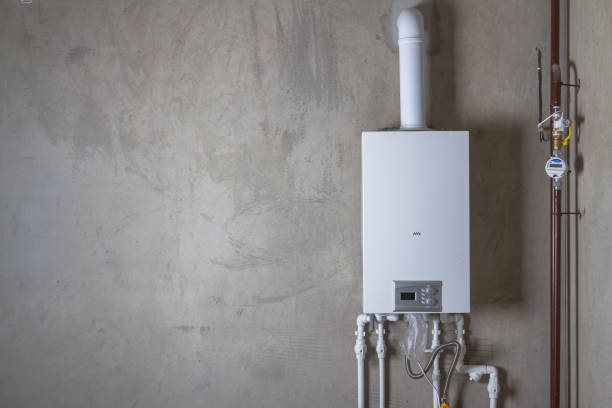
Gas vs Electric vs Heat Pump: Which Hot Water System Is Right for Your Melbourne Home?
Choosing hot water heater systems is no longer a simple choice. It used to be gas or electric. Now heat pumps are everywhere in conversations, along with rebate ads, and suddenly you’re weighing efficiency ratings and carbon footprints instead of just price.
The decision matters more than most people expect. Hot water accounts for a significant chunk of household energy use. That means the system you install affects your comfort, your power bills, and your environmental impact for the next 10-15 years. No small thing.
If you’re looking for the best hot water system Melbourne homeowners can rely on, the answer depends on your priorities. Whether you want the lowest upfront cost, cheap operational costs, or just a simple replacement for an existing setup will determine your choice.
This guide compares hot water systems in practical, real-world terms, covering cost, efficiency, sustainability, rebates, and long-term value.
Hot Water System Basics: Gas, Electric & Heat Pump Explained
Before we get into numbers, it helps to understand how each system actually works.
What Is a Gas Hot Water System?
Gas systems heat water using natural gas. They come in two main types:
- Storage systems: Water is heated and stored in a tank.
- Continuous flow (instantaneous): Water heats on demand, so you don’t run out.
Continuous flow models feel modern and efficient. Storage systems are simpler and often cheaper upfront. In the ongoing debate of gas hot water vs electric, gas has traditionally been favoured for lower running costs than standard electric storage, though that gap is shrinking.
What Is an Electric Hot Water System?
Electric systems use electric resistance elements to heat water in a storage tank. They’re straightforward and widely available.
There are also electric systems designed to integrate with off-peak tariffs or solar PV. They’re not particularly glamorous, but they’re reliable and affordable upfront. That’s often why people choose them.
What Is a Heat Pump Hot Water System?
Heat pumps are different. Instead of generating heat directly, they extract heat from the surrounding air and transfer it into the water tank. Think of it like a reverse air conditioner.
Because they move heat rather than create it, they’re far more efficient than traditional electric systems. That efficiency is why they’re becoming central to any serious hot water system comparison today.
Upfront Cost Comparison
Price is usually the first parameter to compare hot water systems. Electric is generally cheapest to install. Gas sits in the middle. Heat pumps are more expensive, at least initially.
Typically, in Melbourne, the installation costs are:
- Gas storage or continuous flow: $2,500 – $5,500
- Electric storage: $1,500 – $3,500
- Heat pump systems: $3,500 – $7,500 (before rebates)
These figures are ballpark. The final installation costs vary depending on:
- Household size (tank capacity required)
- Existing connections (gas line, electrical upgrades)
- Space constraints
- Switchboard capacity
- Removal of the old system
Sometimes a “cheap” system becomes less cheap if upgrades are required. That’s something homeowners don’t always factor in when choosing hot water heater system options.
Running Costs & Efficiency: Which Is Cheapest Over Time?
Annual Running Cost Comparison
For a typical Melbourne household:
- Electric storage: Typically, the most expensive to run
- Gas storage: Moderate annual cost
- Gas continuous flow: Slightly lower if usage is controlled
- Heat pump: Often the lowest annual running cost
Standard electric systems can be expensive to operate because they convert electricity directly into heat, a relatively inefficient process.
When exploring types of hot water systems, heat pumps, on the other hand, can use 60–75% less electricity than traditional electric systems. Over time, those savings add up.
Gas systems sit somewhere in between historically economical but increasingly influenced by rising gas prices.
When homeowners compare hot water systems properly, long-term operating costs usually shift the conversation toward heat pumps.
Energy Efficiency Explained
Gas systems lose some energy during combustion and heat transfer.
Electric resistance systems convert nearly all electricity into heat, but electricity itself can be costly and carbon-intensive depending on the source.
Heat pumps operate with a Coefficient of Performance (COP) often between 3 and 4. That means for every unit of electricity consumed, they deliver 3-4 units of heat. It’s an impressive ratio.
If you already have solar PV, pairing it with a heat pump can further reduce running costs. In some households, bills drop dramatically, though, of course, it depends on usage patterns.
Environmental Impact
Gas systems produce direct carbon emissions through combustion.
Electric systems produce indirect emissions, depending on how electricity is generated.
Heat pumps, because of their high efficiency, generally produce significantly less CO₂ than both standard electric and gas systems.
If reducing your environmental footprint matters, heat pumps are usually the clear winner in any hot water system comparison focused on sustainability.
Rebates & Incentives Available in Victoria
Upfront cost is often softened by government incentives. In Victoria, homeowners may be eligible for:
- Solar Victoria rebates
- Victorian Energy Upgrades (VEU)
- Small-scale Technology Certificates (STCs
These programs can substantially reduce the purchase and installation cost of eligible heat pump systems. Sometimes the rebate brings the price close to, or even comparable to, that of a mid-range gas system. That changes the financial equation entirely.
Rebate eligibility depends on property type, income thresholds, and system specifications. It’s not automatic, but it’s often worth investigating before making a final decision.
Lifespan & Maintenance Considerations
All systems require maintenance. Some more than others.
Gas hot water systems
- Lifespan: 8–15 years
- Periodic servicing recommended
- Gas components may require inspection
Electric storage systems
- Lifespan: 8–12 years
- Element and thermostat replacements are common
- Generally simple servicing
Heat pump systems
- Lifespan: 10–15 years
- Require adequate airflow
- Mechanical components similar to air conditioning systems
Heat pumps are slightly more complex, but modern units are designed for residential durability. Regular servicing helps maximise lifespan across all system types.
Which System Is Right for Your Melbourne Home? – Decision Guide
Choosing a hot water heater is not always a straightforward decision. The “right” choice will ultimately depend on what specifically you’re looking for.
- Lowest Upfront Cost: Standard electric storage system.
- Best Long-Term Savings: Heat pump systems, particularly with rebates and solar.
- Best for the Environment: Heat pump or efficient electric systems.
- Best with Solar PV: A heat pump paired with daytime solar generation.
- Best with Existing Gas: If you’re not ready to switch, a modern continuous flow gas system is the simplest change.
Conclusion
There’s no universal winner in the debate over gas hot water vs electric vs heat pump. Each system has strengths. Electric is affordable upfront. Gas is familiar and reliable. Heat pumps offer strong efficiency and environmental benefits.
If you’re trying to identify the best hot water system Melbourne households can depend on, the right answer depends on your budget, energy goals, and long-term plans. The key is not to focus solely on price, but also to consider running costs, rebates, and environmental impact.
Need help choosing the right system for your home?
Contact NK Air for expert advice tailored to Melbourne conditions. Our team will assess your household size, existing connections, energy usage, and budget to recommend the most efficient and cost-effective hot water solution.
Call us at 0425 671 666 for a professional hot water installation today.
FAQs
Does Melbourne’s climate affect heat pump performance?
Melbourne’s climate is generally suitable for heat pumps. They perform efficiently in mild to cool conditions, though output can dip slightly on very cold mornings. Modern systems are designed to operate reliably year-round.
Is a heat pump worth it with solar?
Yes, in many cases. A heat pump paired with solar PV can significantly reduce running costs by using excess daytime generation. The combination often delivers strong long-term savings and improved energy efficiency.
Can I switch from gas to electric or heat pump easily?
It depends on your home’s electrical capacity and space availability. Switching may require upgrades to the switchboard or plumbing adjustments. A site assessment helps determine feasibility and total installation costs.
Do rebates apply if my system still works?
In some cases, yes. Certain Victorian rebate programs allow voluntary upgrades to eligible energy-efficient systems. However, eligibility criteria vary, so it’s important to confirm current program requirements before proceeding.
No Comments