
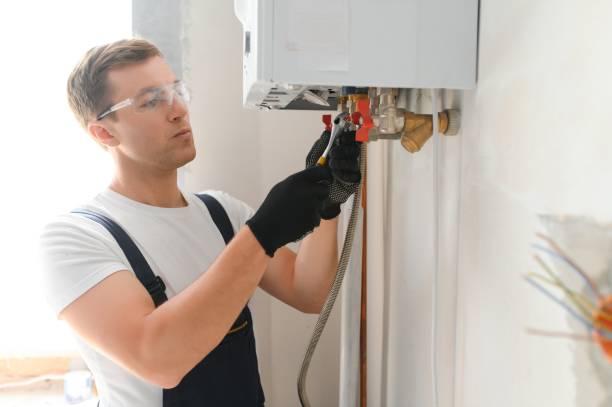
How to Fix Your Hot Water System: A Comprehensive DIY Guide
Hot water is the essential service you had taken for granted until something goes wrong. If you’re facing a sudden cold shower or noticing strange noises coming from your water heater, a malfunctioning system can quickly become a major inconvenience. This guide on How to Fix Your Hot Water System will help you understand common issues, diagnose problems, and take practical steps to restore reliable hot water while potentially saving hundreds of dollars in service fees.
This comprehensive DIY guide mentions the most common hot water system problems, how to identify them, and the steps to resolve them.
Understanding Your Hot Water System
Understand the basics of hot water system working before discussing about repairs. There are three types of hot water systems in Australian homes: storage tank systems, tankless systems, or heat pump systems. The most common type is storage tank systems that have insulated tank feature that stores heated water ready for use. These systems heat water continuously or on demand, depending on the model.
The main components of a hot water system include heating element, a thermostat to regulate temperature, an expansion tank, pressure relief valve, drain valve, and various pipes and connections. You can diagnose problems more effectively by closely noticing these components
Common Hot Water System Problems
1. No Hot Water at All
The most frustrating scenario is when you turn the tap on and find no hot water. In this guide on How to Fix Your Hot Water System, you should check several things before calling a plumber. Sometimes, it happens because you forget to turn the switch on. Make sure the electric system’s power switch is in the “on” position. For gas systems, check that the pilot light is lit. You should also inspect for a thermostat malfunction, a broken heating element, or a tripped circuit breaker.
If you have an electric system, check your home’s switchboard for a tripped circuit breaker or blown fuse. Sometimes switching it back on solves the problem. For gas systems, if the pilot light is out, you can relight it by following the manufacturer’s instructions, which are located on the tank itself.
2. Hot Water Leaks Repair
Hot water leaks are common issues that require prompt attention to prevent water damage and loss of efficiency. The first step is identifying the root of the leakage. Check around the base of your tank, along the pipes, and at all connection points.
Minor leaks from drain valves can sometimes be fixed by tightening the valve with a wrench. If the leak persists, you may need to replace the entire drain valve. Leaks from the pressure relief valve, which is a safety device on your tank, indicate that pressure inside the tank is too high. It is best to run a professional check on your system’s pressure before considering replacement.
For leaks at pipe connections, try tightening the fitting with two wrenches, one holding the nut and other turning the fitting. The connection need a fresh seal, if tightening fails to stop the leakage. Turn off the water supply, drain the tank, disconnect the fitting, wrap the threads with plumber’s tape, and reconnect.
If you notice water pooling around your tank itself rather than at connections, this indicates the tank is corroding internally and will likely need replacement. This is beyond DIY repair and requires professional assistance.
3. Insufficient Hot Water
Most of the time, system produces hot water that’s not enough. There is issue with the showers that run cold or you can’t fill a bath. This problem mostly arises when the hot water is undersized or sediment buildup or accumulation reduces the storage capacity.
It is common to have sediment buildup in areas with hard water supply. You need to flush your system to resolve this problem. Follow a proper procedure to flush the system, turn off the water supply from the main switch, then connect a hose to the drain valve at the tank base. Now place the other end in a drain and open the valve to exit the sediment accumulated in the system.
4. Discoloured or Rusty Water
If your hot water comes out brown, red, or otherwise discoloured, rust may be developing inside your tank or pipes. In some cases, this is sediment that can be flushed out as described above. If discolouration persists after flushing, internal corrosion may be occurring, suggesting the tank is nearing the end of its life.
Temporary solutions include running hot water for several minutes to clear the pipes and avoiding mixing hot and cold water when discolouration is present. Corrosion inside the tank requires unit replacement.
5. Strange Noises
Banging, popping, or rumbling sounds from your hot water system indicate sediment buildup on the heating element. As water heats and sediment shifts, these noises occur. Flushing your system can help reduce these sounds. Regular maintenance flushing is recommended to prevent sediment accumulation and extend your system’s life.
If noise is accompanied by leaks or no hot water, have a professional inspect the system, as internal damage may have occurred.
Hot Water System DIY Guide: Step-by-Step Repairs
Adjusting the Thermostat
If your water isn’t reaching the desired temperature, the thermostat setting may be too low. Most systems have an adjustable thermostat dial or digital controls. Australian standards recommend setting hot water to 60 degrees Celsius for safety and efficiency reasons. Never exceed 65 degrees Celsius, as this can cause scalding.
To adjust, locate the thermostat (a dial on the side of the tank) and carefully turn it to your desired temperature. Wait 24 hours for the system to stabilise before assessing whether the adjustment has resolved the issue.
Replacing the Pressure Relief Valve
The pressure relief valve is a crucial safety component. If it’s dripping or your water pressure is too high, replacement may be necessary. Turn off power to the system and allow it to cool. Close the main water valve and drain some water using the drain valve. Using a wrench, unscrew the old pressure relief valve. Wrap the threads of the new valve with plumber’s tape, screw it into place by hand, then tighten with a wrench. Open the water supply and check for leaks.
Replacing the Anode Rod
The anode rod is a metal rod inside your tank that sacrifices itself to prevent rust. If your hot water is discoloured or the tank is making noise, a degraded anode rod might be the culprit. Drain the tank partially, locate the top of anode rod, and unscrew it using the appropriate wrench. Replace it with a new anode rod of the same type, which costs around $30 to $50.
DIY Hot Water Repairs: When to Call a Professional
Whilst many tasks are suitable for DIY hot water repairs, some situations require professional expertise. If your tank is leaking from the body itself rather than connections, internal corrosion has likely compromised its structural integrity. This is irreparable and requires replacement.
If you’re unsure about gas connections or modifications, consult a licenced gas fitter. Incorrect gas work is dangerous and may void warranties or violate safety regulations. If your system has lost power or gas supply for an extended period, or if you suspect major component failure, professional diagnosis is worthwhile.
Preventative Maintenance Tips
The best approach to hot water system problems is prevention. Perform annual maintenance by flushing sediment from your tank, checking for visible leaks, and listening for unusual noises. Adjust your thermostat to an efficient temperature around 60 degrees Celsius, insulate exposed hot water pipes to reduce heat loss, and keep the area around your system clear for ventilation.
Regular maintenance can extend your hot water system’s life by several years and ensure it operates efficiently, saving money on energy bills.
Conclusion
Understanding how to troubleshoot and fix your hot water system can save you significant money and inconvenience. Whether you’re dealing with hot water leaks repair, insufficient hot water, or strange noises, many issues can be resolved with basic tools and knowledge.
Knowing your limits is important. For safety-critical components like gas connections, major leaks, or complete system failures, professional assistance ensures the job is done correctly and safely.
If your hot water system repairs feel overwhelming or the problem goes beyond DIY fixes, NK Air is here to help. Our experienced technicians provide reliable, fast, and professional hot water solutions you can trust. Don’t risk safety or long-term damage, get professional support when you need it most. Call 0425 671 666 for prompt service, honest advice, and complete peace of mind.
No Comments